
Manufactured Homes and Housing Diversity
Reports, studies, and public polling continue to underscore the scope and impact of New Hampshire’s housing shortage. With a housing deficit of over 23,000 units and a vacancy rate of less than 1%, the Granite State is still grappling with a significant shortage of housing. This scarcity is not only a concern for homeowners and renters, but also for business owners and the broader community. This is placing a heavy burden on young folks, and it is having a profound impact on the state's workforce. The national median age for first time home buyers is now 40, an all-time high. A range of factors contribute to the current housing landscape in New Hampshire, including land use and zoning regulations that shape what types of homes can be built and where.
New Hampshire is often cited for having some of the most restrictive land use regulations in the country. These local rules shape what types of housing can be built and where, and in some communities may limit certain home types altogether. Discussions about zoning reform often center on allowing a wider range of housing options, often called “housing diversity,” to help expand overall supply. This can include smaller homes, duplexes and multifamily buildings, accessory dwelling units, and manufactured homes.
Expanding the range of home types available in communities can provide options for Granite Staters and families at different life stages and income levels. In walkable downtowns and established neighborhoods, diverse housing types can also support local businesses by increasing the number of residents within close proximity to jobs, services, and schools. When more housing types are permitted, communities have additional tools to address supply constraints which helps create opportunities for both renters and prospective homeowners across a range of price points.
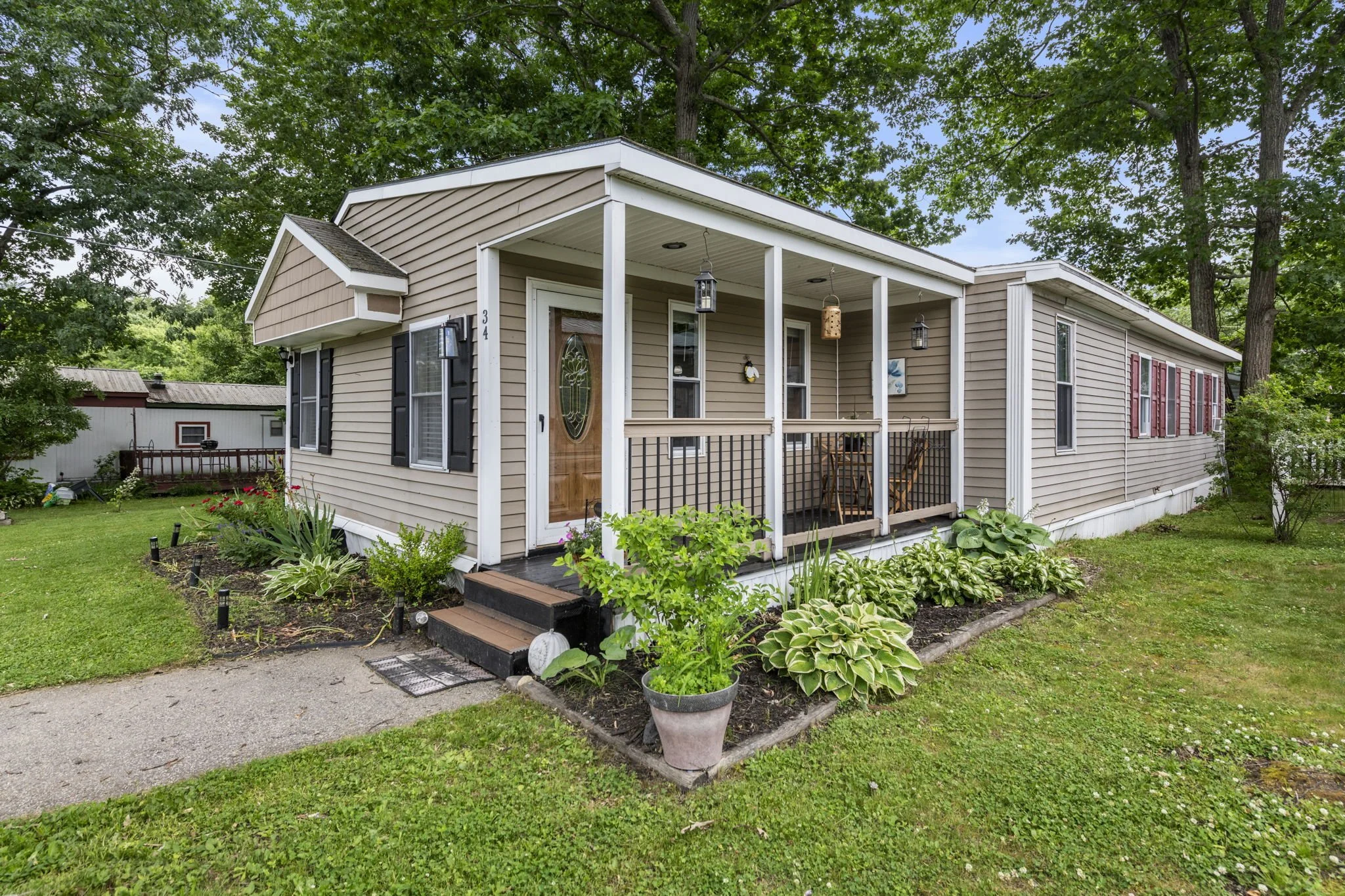
One housing type that is restricted in many communities is manufactured housing. Manufactured homes look just like traditional homes, but are often less expensive due to how they’re assembled. Manufactured homes are built off-site, and use all of the same materials as stick-built homes, and are then placed on a permanent steel frame, or chassis, and delivered to the desired location. Manufactured homes can be placed on individual lots or clustered together in communities or “parks.” Manufactured home parks are either owned by a landlord, renting access to residents, or collectively owned by residents. Manufactured home parks provide residents with land, roads, parking, utility connections, and on-site amenities.
Manufactured homes are often less expensive than comparable site-built homes because of the efficiencies of off-site construction. When we enable people to place a manufactured home on a permanent foundation on land they own, manufactured homes can be financed with a traditional mortgage, allowing folks to get better interest rates and the opportunity for appreciation. If allowed in more residential zones, these home types could provide opportunities for more Granite Staters, particularly lower income households, to access homeownership.
House Bill 1357 was introduced to the NH House of Representatives during the 2026 legislative session, proposing manufactured homes be allowed in any residential zone, in all cities and towns. This proposal is part of a broader policy conversation taking place about housing supply, affordability, and land use regulation within our state. As communities and policymakers continue to explore potential strategies, expanding the range of home types permitted in residential areas, such as manufactured homes, is one approach that continues to come up in public and policy conversations.
